In my personal preparation for LIMBO, I found myself thinking of how to open the door to story and how to create space for participants to immerse in the act of creation without feeling pressured to perform.
How do we support that limbo state? How do we cherish and protect it? And how do we, at the same time help participants to step into a future they create for themselves?
A realisation came to me that the sessions we are planning are not merely sessions of teaching participants how to work with various materials or tell stories. These aren’t the most important parts of those sessions. Producing something finished or something that can be exhibited or placed on display isn’t the goal. Rather the goal is to empower the participants so they can thrive in the liminal space that so many occupy.
Initially, I had thought to teach working with different mediums with the thought of developing or moving towards a goal.
But I thought of how as a writer among writers, I have sometimes observed how the act of telling story moves from being an act of pleasure to an act where the writer becomes pressured to deliver. These pressures placed upon the creative person can transform what was pleasure into obligation and the result of such obligation isn’t always beneficial to the person who creates or even to the creation itself.
So, how do we invite or open the door for participants to come in and share without pressure? How can I employ what knowledge I have gleaned from life in a way that removes or eases the pressure of creating to an expectation?
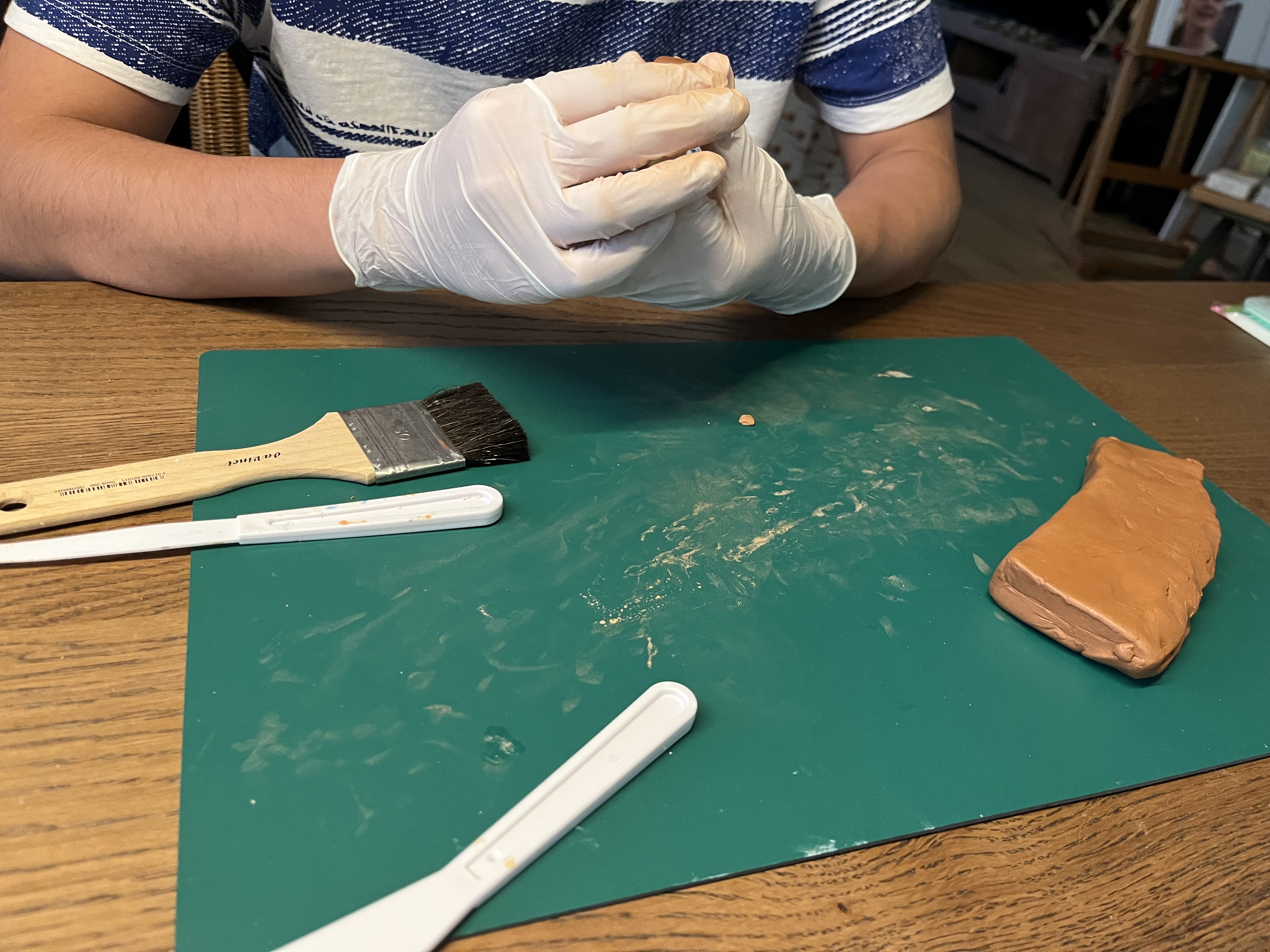
This afternoon, I asked my youngest son to sit down and work with me for a little while as I tried out one of the activities I had in mind. I asked him to treat the raw medium as if he were an archeologist who had time-traveled from the future. I asked him to bring out of this medium an artifact, and with that artifact to tell me something about the future world that he had envisioned.
I simply listened because I didn’t want to impose my interpretation on what he shared.
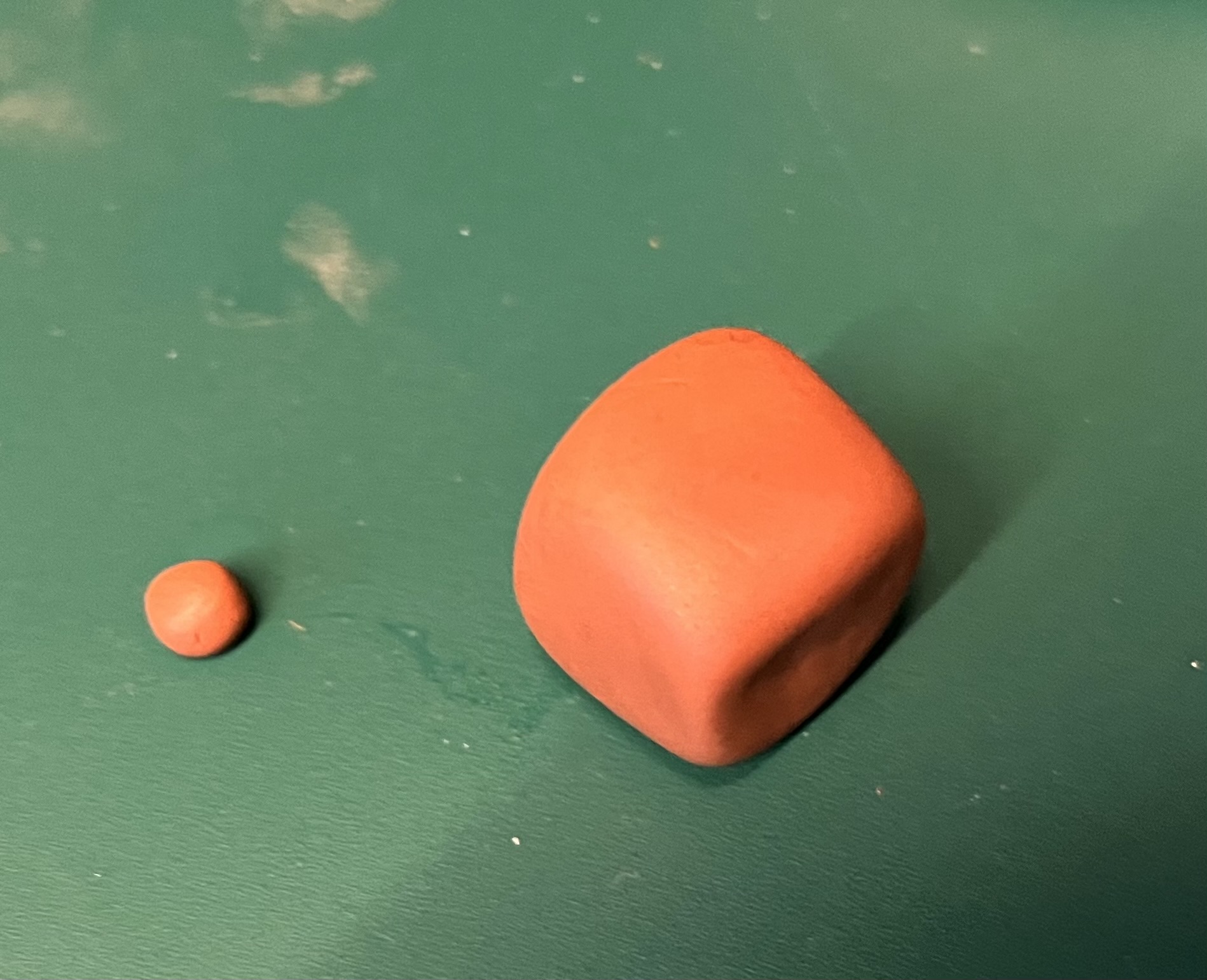
By thinking of it in science fiction terms, my son is able to time travel back from his ideal future to share with me a story of what is alive inside him today, without the pressure of performing a perfect story or crafting a perfect artifact.
It doesn’t have to go anywhere. It doesn’t need to be published (although I did end up asking him if I could share it here and he said yes.
I realised that what drew me towards creating and giving workshops was in the connection that came from these kinds of sharing. It’s not important whether people end up publishing or not. What’s important is the stories that are shared and the space that is made for these stories. It’s also the wonder that happens when participants discover that there is space for what they have to share.
What can we do to open doors to story? It’s a question that I carry with me. In doing so, I hope to create space and make space for all those stories waiting to be told.
Blessings and peace.
 From the Beloved Country
You must be logged in to post a comment.