Sniff: a funny short dream

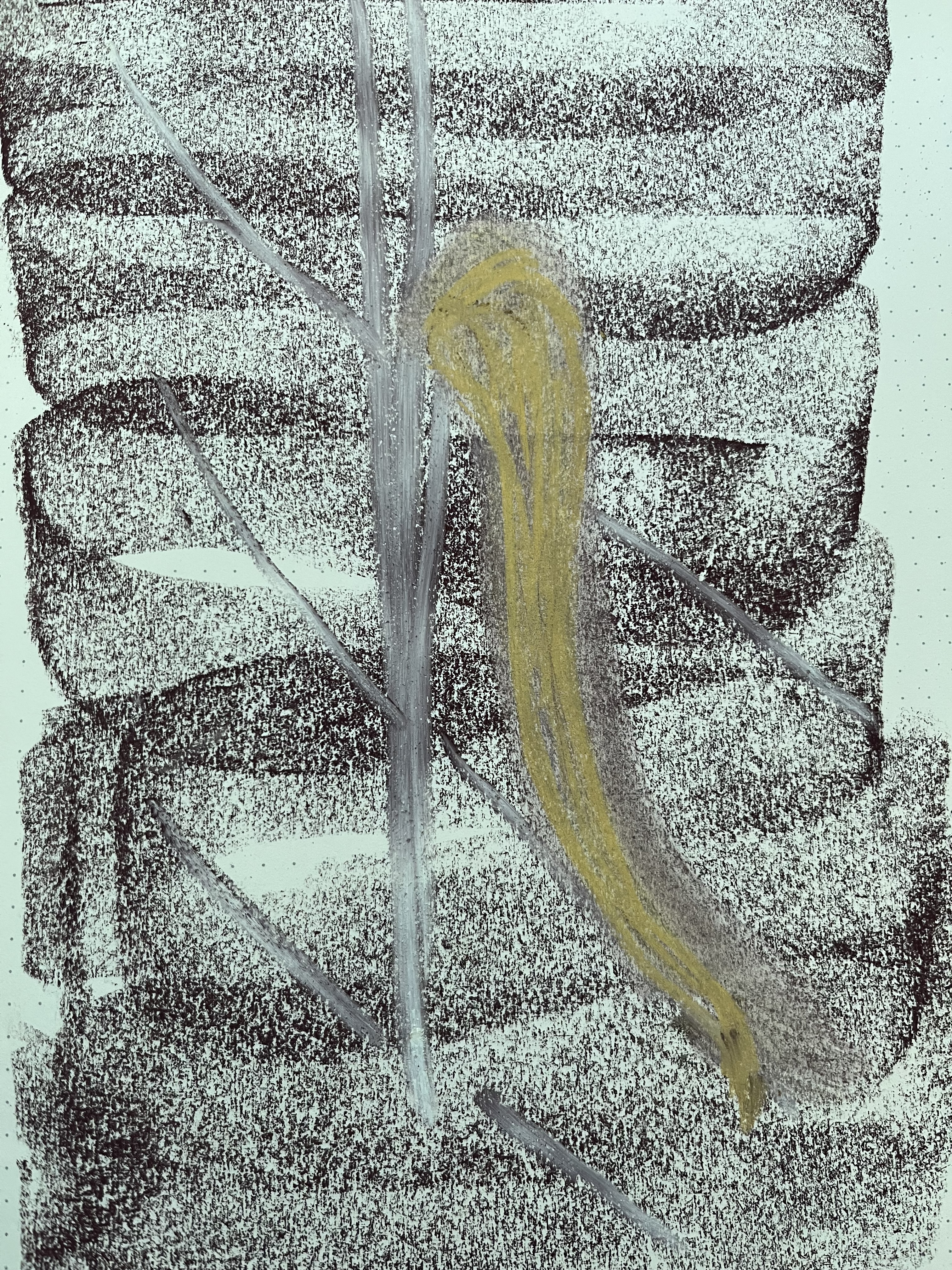
I woke up from a dream this morning and it had me laughing. Perhaps it’s because I’ve been thinking a lot about how to continue my stranded work, but I dreamt of homes built into a rock face. In this weird dream, I realised that those dwelling places formed a word. I was so amused by it that I woke up laughing so I thought I would try to recreate how those letter dwellings looked like.

It’s a bit of a sniffy time as hayfever season has come again. Alas.

All the things and how do I choose?

In my previous life, goal setting was a little bit like this thing I would do in intervals. Like at the start of the year, I might set a couple of things for myself and at a certain point a sense of panic would creep in when I realised there were still things I hadn’t done.

Yesterday, as I was reading through the life after treatment module, the goal setting part of it had me thinking. For instance, if I say I want to travel more. What exactly do I mean when I say that? If I say I want to spend more time with my family, what do I really mean by that? And what about getting back to writing and finally finishing that work in progress? What about leaving a legacy and creating space for others? How and where do I even start? That familiar sense of panic came over me–that sense of I’m not sure I have enough time to do all the things.

To be honest, I didn’t actually think about these things when I first listed things down. I basically just filled in whatever and went on my merry way. But yesterday, I realised that I had a rather long list of things I want to do and it’s probably one of the reasons why I’m feeling a bit out of breath because how does one choose and where do I even start?

Thankfully, the module provides the following questions in support, some of which are:

How far along are you in regard to this goal?

What do you need to accomplish this goal?

Do you have all you need to get there?

One of the things on my list is to plan at least one weekend every year when all of us spend time as a family in one house. Last year, we went to Spa in Belgium. We are rather fond of Formula One and I’ve always wanted to visit a race track. Not only is the Spa circuit legendary, it’s also a beautiful track surrounded by lots of nature.

As I was in treatment at the time, my youngest spent most of our visit to the famous Spa circuit pushing me in the wheelchair. I didn’t get to climb up to the viewpoint tower but I loved that the kids got to do that and see it for themselves. It was only for a weekend, but we had a lot of fun with time together as well as time separately.

This year, I’m thinking of a place closer to home with more possibilities for going out into nature and taking walks because I’m more mobile than I was last year and I have more energy than I had.

But while I can plan things and organise things, while music and artmaking and teaching are proving to be quite friendly and within my grasp, I’ve discovered that getting back to writing is a lot more challenging than I had imagined.

Do I struggle with the writing because my brain isn’t quite up to it yet? Or do I struggle with the writing because writing (even when it’s fiction) feels very close somehow and I’m not yet ready to go there? It’s telling that I’m writing about not being ready because that’s actually probably what it is. Will I be ready to go there?

Writing even when it’s fiction has often been a way for me to work through whatever is weighing on my mind at the moment. I doubt that my work is commercially appealing because writing to an audience has probably been the last thing I’ve thought about. I’m not sure if that makes me a bad writer–but basically I write things that tug at me and call to me and make me take that deep dive and a lot of times the dive is personal and involved with the body and how the body moves through society and navigates all these questions that arise. What impact does space have on the body? How does society impact the body? And can one body have an impact or influence in the space they occupy? If so, in what way? (Yep, that’s one example of the process my brain goes through and maybe it’s helpful that I’m writing about it because this is probably a step towards getting there.)

I wish that answers were easy, but often answers are complex and require time and patience and a lot of times solutions to problems are never easy. The concept of good or bad and black and white is simplistic when we live in a nuanced world where many different shades go into what we imagine is one color.

So, this leads me back to goal setting and the objective of it.

Perhaps it’s so we don’t get this feeling of empty hours or days that we must feel. Maybe that’s it. Maybe it’s to give us a sense of purpose. Perhaps it’s to make us feel useful or accomplished. Oh hey, I did this task and that. I cleaned the bathroom without breaking down and I still had the energy to iron some clothes. That’s a win.

Now that I think about it, this sense of time running out is an illusion. We get caught up in the rush of “I must do this” and “I have to accomplish this” or “I must be useful” or whatever narrative we say to ourselves.

I think that we all have the time we need/ to do what we need to do/ and /time never runs out/. We may think that time runs out when we close our eyes in final sleep, but actually time keeps on running and what we accomplish as warm bodies reverberates even after our bodies are gone from the timeline.

Writing about this has helped me shed the rush. What needs to be done will be done and if it’s not done perfectly or as exactly as I imagine it could be, it will be enough. When I look at the timeline, I realise that actually what matters is now. From a minute ago to this minute to the minute that follows after this one. These are the moments that I can make count. Maybe I can give my son a hug or by practice my brush strokes (I’m learning how to use watercolour), or I can go out and find rocks to use for an exercise with the group. Maybe it’s something else. There’s no rush, there’s no panic. Time isn’t running out. I am moving exactly as I am meant to move within the time I occupy.

As usual, this is me thinking out loud on the page. I hope that it’s helpful to someone. Take time to do what matters to you now and if you’re feeling rushed, breathe.

Thank you for taking time to read this. I wish you blessings and peace. Maraming Salamat.

Oh hey! It’s another Tuesday post

Sometimes the words just flow and sometimes they don’t. Today, I was working on the module that comes with the a new program from the physiotherapy class that I signed up for. This class is an intensive three month program which usually is offered after active treatment and it includes not only the physical rehabilitation part of things, but it also offers a module which walks you through a process of reflecting on what’s happened and what you would like to happen moving forward. It’s a module divided into six sessions and signing up for the module includes a page where you list down everything from the moment of diagnosis up to your last active treatment.

It was rather something to look back and realise that from 2022 up to the end of 2024, I was in constant treatment and my days were marked by hospital visits. It’s also good to recognise that I’ve been out of active treatment for five months.

I find myself no longer planning in terms of “if treatment will allow” to thinking in terms of “Oh hey, I can do that thing and take that course and I can play together with the band and go to workshop”. It seems like a small change, but it is actually a huge change from not knowing to some sort of knowing and where planning can now occur in two month stages instead of the one week when I feel good stage. I actually had this idea that I’d dealt with the stages of grief during those three years, but having looked at the dates reminds me that it wasn’t nothing. So here I am thinking on it and feeling thankful that I made it through all those treatments. I am thankful that I’m still here.

I’ve learned that even when we think we can’t, we still can and there is nothing more precious than today and if there’s something worth doing, there’s no sense in delaying the doing of that something.

There was a short period after treatment when I had a sense of “Oh, my days are stretching out now” and “so what do I do?”

Lately, I’ve been filling my days with watercolour practice. As I said to my therapy mates, I didn’t have the opportunity to learn how to use all these different materials when I was young, but I’m learning them now and it’s like a world has opened up in front of me. I didn’t know, for instance, that getting a good result in watercolours has a lot to do with the materials that you use. Of course, it’s the same for all other things, but watercolours are pickier than pastels and acrylics and if you use bad paper, it’s a given that your watercolours will look more grisly than if you used something that’s a better grade. I’m practicing on Aquapad paper which is thick enough and satisfying enough. (Arches are the best, but I feel like I need to get to that point where I can justify spending lots of cash on Arches.)

I’m happy that I have art making to keep me company, because it seems my fiction brain isn’t quite ready yet. I did the thing last week where I decided to just grit my teeth and open the work in progress and after reading the first page, I just had no idea. The sense of overwhelm was such that I decided to close the document and re-think my strategy. Maybe I’m not ready yet to face a work I left at 70k words. Maybe I need to section it up into smaller units that my brain can focus on in small bursts. I’m not sure yet. The work is niggling on the edges of my awareness, it’s just getting down to it that costs more than I can spend at the moment.

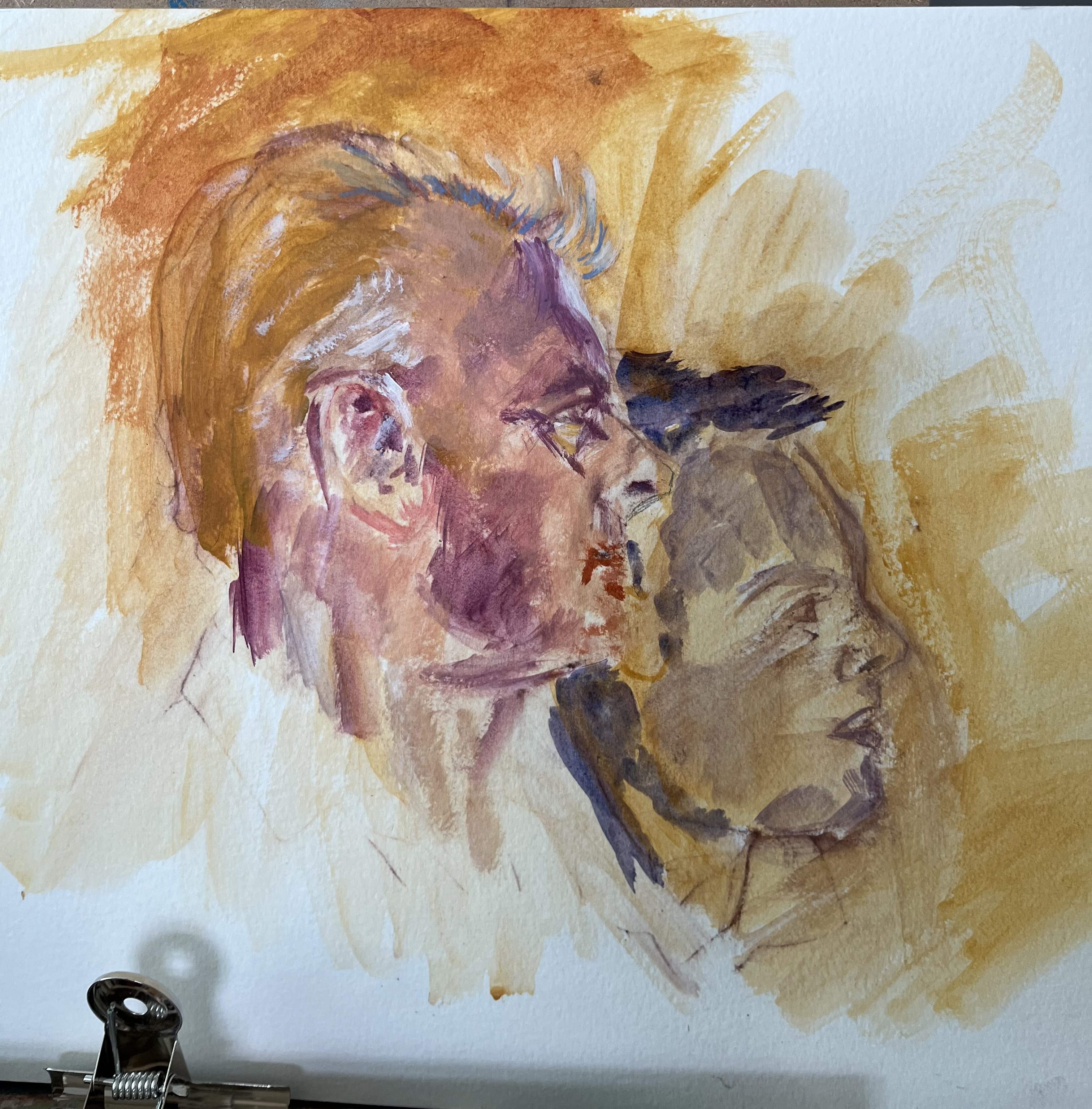
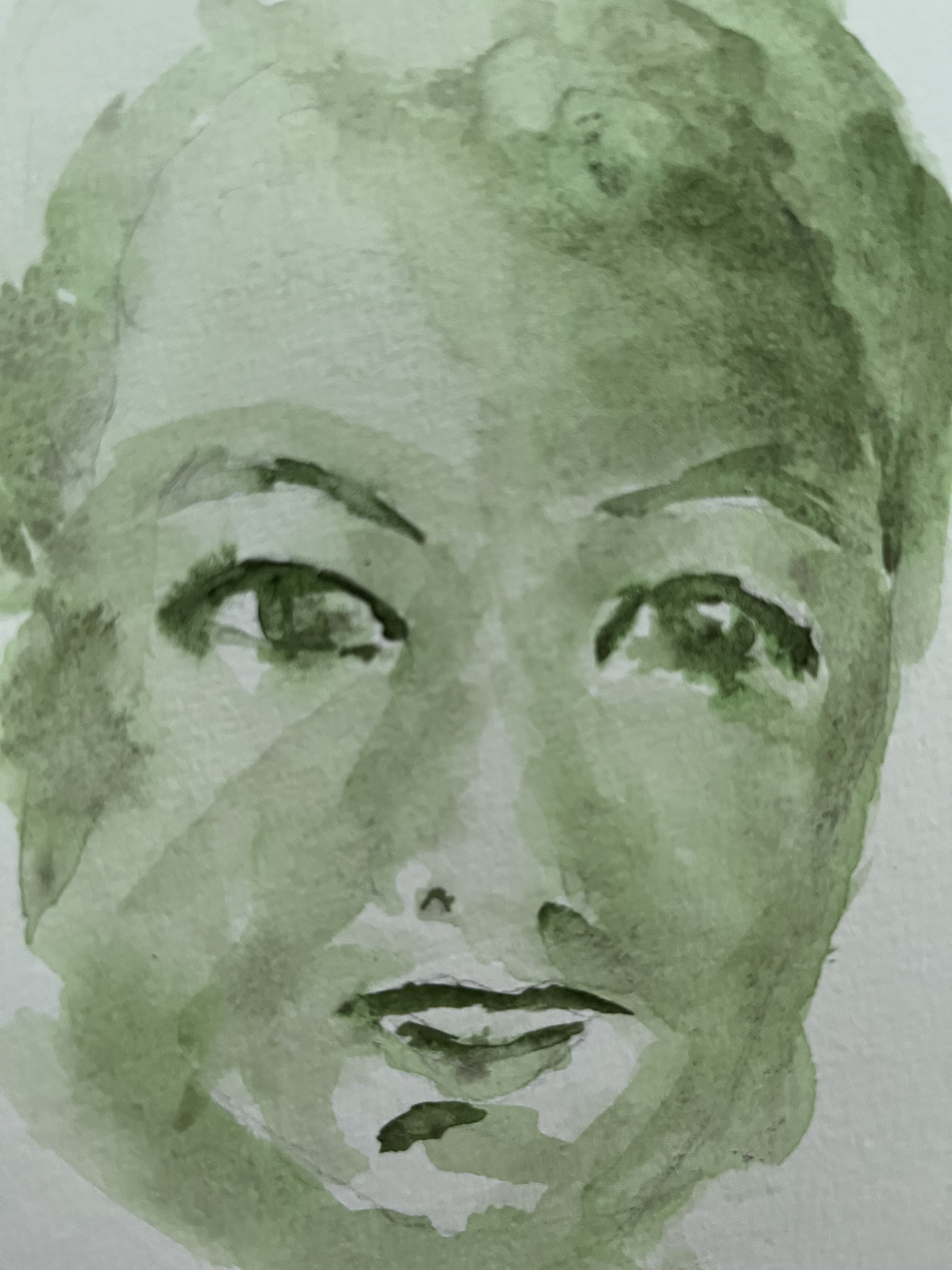
In the meantime, the watercolours are spread open on my desk. Brushes and pens and paper with some grisly attempts at portraiture. For the first time, I did manage a reasonable study in values. Not bad, I thought. I put a date at the top. Maybe I’ll look back at it in a hundred days and say: Oh wow. I started there, huh.

For you who have taken the time to drop by and read this, I want to say thank you. Blessings and peace and may your days be filled with good things.

I’ve fallen quite in love with Daniel Smith’s Green Apatite Genuine.

It’s only Tuesday and yet . . .

Not that I post with any kind of regularity or schedule, but here I am on a Tuesday. I’ve enrolled in a five session course on portraits with acrylics and the first session went pretty well. The advantage of acrylics is the drying time and how it’s much easier to take it home to continue work on it. Compared to pastels where the work has to be carefully transported, acrylics are easy. I’m enjoying these courses which are in series of five sessions each time focusing on a particular medium as I feel like I want to understand how different mediums work.

I do enjoy portraits a lot and I want to try and see what different things I can do with it once I get the basics down.

When I was a young girl, my mother once showed my notebook of writings to the daughter of a friend of hers. I think my Mom was proud that I was writing, but I was quite embarassed because her friend’s daughter was (at that time) already playing the violin for a big orchestra. I was like: Eh…Mom. Why?

But instead of dismissing my work, this young woman looked at it carefully, then she said something to me which I’ve carried around much like a puzzle that I keep trying to unfold.

“An artist,” she said. “Can see beyond the leaf.”

I never got around to asking her what she meant because soon after that this violinist went abroad to play with other orchestras and our paths never crossed again.

I think of her words every now and then, though.

Today, those words came bubbling up again and I thought of the following reply:

Beyond the leaf is a world (maybe more than one)

Lives are lived. Not all are told or written down in story.

Not one is insignificant.

To you who read these words, may you be surprised by small moments of daily joy. Thank you for stopping by.

Here’s one of my favorite exercises from this week. On a background of sennelier soft pastel, an impression of branch and leaf.

Breathe in, Breathe out

February turned out to be a more challenging month as the flu struck and just as I was feeling better, shingles happened. I had this idea that I could get through shingles with just paracetamol, but after enduring a night with no sleep and pain that I can’t describe, I caved and asked my doctor for stronger pain relief. Thankfully, my doctor prescribed pain relief quickly and I have been able to sleep through the night which accounts for why I no longer need the pain relief. I do have this incredible itch where the shingles outbreak happened and a burning sensation pretty much like when you have a bad sunburn.

Recovery from shingles is a process, but I’m glad I’m able to come upstairs to the workroom and do some art practice as well as a little bit of writing.

I was inspired quite a bit by some of the work that I saw when I visited the art fair and had a conversation with an artist who was doing some live painting. That conversation made me think about my own approach to art and art making.

During our conversation, the artist told me that what’s important is to find your own gestures and your own signature. What is it about your art that makes you the artist that you are? Every artist has a signature–not the name you sign, but it’s in the language that exists between the artist and the blank canvas/page.

I think about this conversation as I draw without having a particular goal. I draw repetitions of shapes as a way of tuning in to what am I feeling, what am I thinking, and what is going on in my body and in my spirit today.

Breathe in, breathe out.

In today’s world where everyone seems to want to rush towards a goal or to achieve something or to become someone, being in the moment frees us of all those stresses. When we are free from those stresses of becoming something, we can listen to what our bodies tell us.

Small circles, gridlines, spirals, repetitive mark making and repetitive movements. All of these things are practices that ground us in the body and in the moment. And being grounded allows us to transcend to where we can see beyond the mundane.

I’m stopping here for today.

To you who reads this, thank you for dropping by. Blessings and peace.

Finally, an update…

It’s taken time for me to get around to updating this online journal. There was a season when I felt as if I was inside a time capsule, watching the world go by, observing, doing, moving in some direction but always within that capsule. I had my last treatment right before December and since that time the capsule enclosure has become quite porous. At times, it feels as if a wild and eager rush pushes outward from inside me–a wanting to do and to go and to undertake so many things.

My oncologist says: we don’t know. We can’t say or predict how things will turn out. But the chemo has done what it’s supposed to do, and for now I have been moved to the list of people who are under observation.

It took me a good number of minutes to process what my oncologist said. I keep going back to that moment and checking in with myself. There are still things in my body–a nodule and a lymph node are mentioned in the scan report–things that can’t be easily removed through surgery. And yet, my oncologist isn’t worried. All I can feel is relief that chemo has ended.

I think to myself: There are more people walking around with things in their bodies, living lives and just being and doing and staying in the now. The length of our life spans is not something we can control, so why worry about that?

If you can let go of worrying, my physiotherapist says, then it’s already a win.

Why worry about something I can’t control? I reply. This, I can control. I can train my body to be physically fit. I can work to become stronger. Instead of obsessing about weight, I make sure to eat a balanced diet. As for the rest, I leave it in the hands of God. (So very Pinoy. Yes.)

I’ve decided that I’m going to keep living and keep doing things that I love and things that give me joy. I’ve decided to hold on to faith and to this knowledge that we do what we can do in the time allotted to us and life is about living one day at a time.

It’s going to take some time to find a new balance and I am thankful that time is being made so that I can find that new balance. Where people talk about spoons, our physiotherapists talk about buckets. You only have so much energy in your bucket and some things will deplete your bucket quicker than other things. You can empty your bucket in one go, but recovery is better when your bucket isn’t completely empty at the end of the day. Brain work, thinking work, social interactions, new situations can empty your bucket faster than doing the laundry and vacuuming your house. You’ve been in a space of time where for a long while, you’ve had to do all you can to just get through it. Once you’re no longer in treatment, it’s tempting to succumb to demands we imagine are being placed on us. But, it’s okay to say: no, I cannot or no, I don’t have the energy for that. It’s okay to pick and choose and to say: I can only do one or two things in a day.

And then, my physiotherapist says with a laugh. Of course, it’s in pushing ourselves that we discover our limits. And once we find those limits, we know how far we can go. If we go about it the right way, those limits expand as time passes.

I think of how the state of being in a limbo is one that allows us to become rooted in the present. In this now. In this moment. Tomorrow will come. Tomorrow’s worries are for tomorrow. Today, I am doing what I can to the best of my ability. I am here in this moment and I am thankful.

I didn’t have the brain space to write about LIMBO, but our December celebration was lovely.

Blessings and peace to you who read and may 2025 bring good things your way. Maraming Salamat for stopping by.

A note for readers who might be going through cancer treatment: if it’s possible and doable, oncological physiotherapy is a big help. I am thankful for the person who posted about it on a forum somewhere because it’s not standard at the hospital I go to. I found out that it’s standard for some hospitals though.

Time

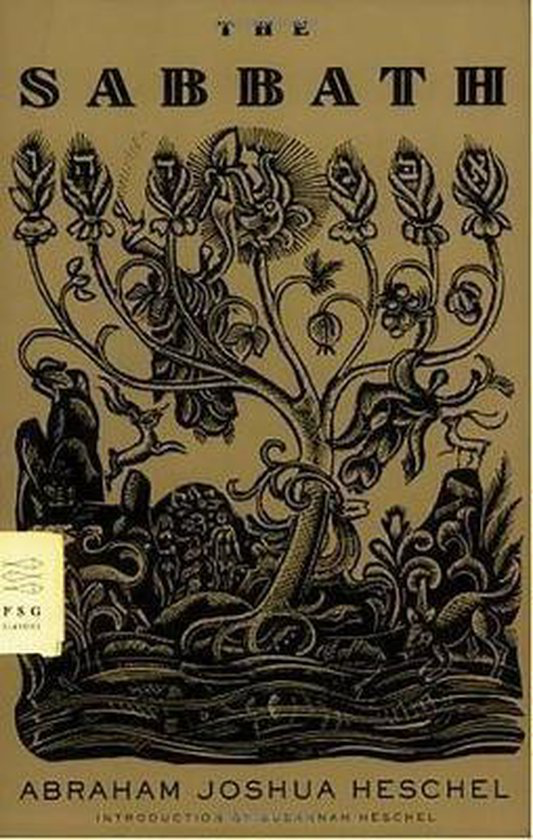
A dear friend recommended Abraham Joshua Heschel’s work to me and I’ve been reading out of The Sabbath and thinking about time. Heschel’s work is beautiful. It’s thought provoking–mysterious and deep and also accessible and relatable. More than that, it is moving.

I think of time as I prepare to go to the hospital for my second chemo infusion in what’s called a second line treatment. I think of time when the doctor tells me that we are buying time. I think of time and how each of us comes into this world not knowing just how much we have of it and how even when facing a disease like cancer, there is no way of measuring or saying–this is how much time or this is the only time you have got. Science can get us so far, but the measure of our time in this world is not something anyone can predict. I’m saying this because my mother was told she had one year to live when she was 46 years old and here we are…my mother will turn 87 this year.

And yes, it’s true that it’s possible to extrapolate based on data, but even data is no guarantee because there are always other factors that might come into play. The truth is, we all hope for more time, but the most important time we’re getting is now and as my mother always tells me: just live today.

I remember back in 2023, when they told me the cancer was not gone after all. Back then, the numbers were quite frightening and the feeling of precariousness was strong. Because of where the tumors were located, I was also in quite a bit of discomfort.

Today, where I had radiation, things are quiet. My doctor sent me on vacation with a smile on her face saying: you can go through the 10 weeks without medication and when you return we’ll start on treatment again. And in those 10 weeks, I walked a lot and climbed a lot and did muscle training and felt like I felt 10 years ago. I’m thankful for the muscle training now because chemo does a number on the body and the more fit you are physically, the better you are able to withstand treatment (that’s what I keep hearing). In the week when I get chemo, I don’t feel all too happy. I don’t know if I’m hungry or nauseous, I don’t know what to do about all the things I’m feeling. I don’t want to take the anti-nausea meds because of the headaches, but I also don’t want to be throwing up, so I take the nausea meds anyway because they do help me get through the week.

But the week passes. I wake up one morning and my stomach feels settled. I go out and take a walk. I go back to my physiotherapy class. I meet up with loved ones. I do things. And thankfully, this time, I can read and write.

I think of time and eternal time and time that is in the hands of the creator and I think of how it’s possible to see beyond now. To understand that there is a timeline running alongside the now that I see and that timeline stretches and branches into different directions and different possibilities and how we are limited only to the extent that we allow ourselves to be limited. There is enough time even when people tell us there is no time. There is time even when the data says there might not be enough time. There is time because time is not something that we can command or hold fast or measure or make secure. What happens in a second can be of infinite significance even if we don’t see it just yet.

A little while back, my brother asked me what my prognosis was. I really couldn’t say because my doctor couldn’t say. But the more I think on it, the more I wonder if it’s all that important. Even when I am writing a story, the outcome may not be in my control because I can only bring my characters to the end of a particular story but beyond that story possibilities branch out. The work of change is never done. It is constantly in motion and so what I can do is simply trust that all the small movements being done in the present will tell and count towards a future that’s better for those who come after this story is finished.

I am cradled in love and lifted by grace and always thankful for the hope that I see even when the world is chaotic and muddled and filled with so much chaos.

Agyamanac Unay for passing by. May you too be cradled and lifted in love.

thinking about language again

I’ve been writing in Dutch and this has me thinking about language again and how it relates to taking up space in the world (or making space) and how gatekeeping in language and use of language relates to the question around permissions. Why do we need borders when the world belongs to all of us? Why do we need permissions to cross from one place to another? And why do we as societies feel this need to create perimeters and conditions keeping people from traveling or moving into spaces we have labeled as “ours”?

I have a complex relationship with language. Perhaps this explains my fascination with it. I am also something of a geek and language and the conversations around language have also fascinated me.

Small as the Dutch publishing landscape may be (compared to the US or the UK), it’s still predominantly comprised of white native Dutch speakers. I made a decision to at least attempt to write and publish in Dutch because I believe it’s important to make space not just for my work, but for the work of those who like me were not born or raised in The Netherlands, but have come here from non-western countries.

In 2021, when Martijn Lindeboom and Vamba Sharif asked me to participate in De Komeet, a specfic anthology from diverse writers in NL released by a De Geus, I said an immediate yes. When the anthology was published, some people I know who read my story said that they were at first a bit hesitant because of the use of nb pronouns, but were quite surprised to find it wasn’t preachy as they feared (yay). It was also favourably reviewed in De Telegraaf which is a major Dutch newspaper (so Yay again). The comment I do get from people I know (who’ve read it) is how the reader can tell that I’m not a native Dutch speaker because of my use of language. Here’s where I admit that I did have an editor and first readers who tried to tell me to rewrite some sentences but the rhythm and the off-center use of language made me happy, so I kept them.

I can’t pass for a native Dutch speaker and to be honest, I don’t even want to. It’s the same as I don’t pass as a UK or US raised English speaker, and I don’t want to. The way I use language reflects how I have acquired the language, it reflects the rhythms by which I have learned to speak it or write it. It may seem like a minor thing, but there is a deliberate reasoning behind this. I understand the importance of the rules of language–grammar and such. But as one reader said to me: the use of language in an alien setting by alien characters, reminded me that my characters are aliens and the emotion came across because of the way “the language was used in a way I am not used to”. (That kind of made me go: yep. That was the intention.) (Of course, I have no doubt there were readers who were just irritated and went “another outsider who wants to write in Dutch”. Lol.)

There are different ways of using language and by opening ourselves to these differences, we expand our borders and our perimeters.

Mind you, I’m not advocating for using wrong grammar. I am advocating for knowing and having a grasp of language and at the same time remaining faithful to the rhythm that echoes in your inner ear. (I did adapt a lot of suggested edits because I am aware that while I may be proficient in Dutch, I tend to be more English in my grammar use. But there were definitely one or two sentences where I just said to the editors–this just feels right to me. It conveys an emotion that I want to convey.) So, I am perfectly okay when faced with the criticism that the language use isn’t perfectly Dutch or Dutch as it’s meant to be. It is not meant to perfect, it’s not meant to conform. (Sorry not sorry for being a rebel.)

When we engage in writing in LIMBO, I like to encourage participants to write in the language they are most comfortable in. Perhaps a majority will opt to write in English, but I have discovered that when someone chooses to write in the language closest to them, while we may not understand the words, we are often able to hear the movement of the writer’s heart in the movement of the language they use.

It’s this kind of rhythm and this kind of movement that we want to capture when we decide to write in an acquired language. Maybe it’s not perfect. Maybe the grammer is not 100%. But all these things are cosmetic. They can be fixed in edits, they can be discussed.

We are a multicultural society and when traveling through the city, I hear a rich tapestry of sounds and voices–different languages, different accents, different ways of using language. Dutch interspersed with Middle Eastern languages, Filipino mingled with Dutch and interestingly too–Dutchies who bend Dutch words to make them sound somewhat like English. Language, like society, like culture, doesn’t remain static. It’s never standing still and every year new words are added to our ever-changing vocabulary–not all these words are rooted in the Dutch language.

Yep. I can keep going about language. But I’ll stop here as I have a bunch of things on my to-do list. I am interested in comparing notes though. How do you write in an acquired language and how does the language you’re most skilled at using influence the way you write in another language? And if you’re writing in an acquired language, what made you decide to write in it?

Blessings and peace to you who read this and Agyamanac Unay for dropping by.

thinking about the project of creating connections

In preparing for the final meeting in the workshop series, I find myself thinking around language, colonisation and alienation. A number of exercises in this final meeting are inspired by this clip where Ngugi wa Thiong’o talks about colonisation and alienation.

As I listen to Ngugi talk and as I reflect on ways to bring this to the workshop participants, I can’t help but reflect on how the project of alienation continues on to this day. I think of how conversations these days can quickly become angry or hurtful ones and how essential it is to create space where we can just be and become bridges to our own selves and to our own power and how important it is to create moments where we create true and deep connections with one another.

In discussing the format of the sessions with Hodan, we felt that an important part of workshop practice was to remind participants that the act of sharing, of opening up or of voicing out what you think or what you genuinely feel means we are taking a risk. We remind participants of how vulnerable we all are and how we need to shape the kind of space that we want to be in with each other and so, we try to create a space where there is mutual respect and kindness of each other’s differences.

Edouard Glissant’s work and Ngugi wa Thiong’o’s work have been important to me in preparing and developing this workshop and so it made me really happy to witness how an application of certain thoughts works out in real space.

Thus far, the workshop has been bilingual, but I would love to encourage participants to tap into other languages that they carry with them. It would be so great if that could happen, but if it doesn’t perhaps it’s something to think about more for the next iteration of this workshop.

For my next project, I am thinking of how this kind of workshop can be used to create dialogues that can transform our connection with one another. I’m discovering that I rather enjoy the challenge and this practice of life, art and activism give me joy.

Be the bridge to your own power and may you embrace joy in the work that you do.