Breathe in, Breathe out

February turned out to be a more challenging month as the flu struck and just as I was feeling better, shingles happened. I had this idea that I could get through shingles with just paracetamol, but after enduring a night with no sleep and pain that I can’t describe, I caved and asked my doctor for stronger pain relief. Thankfully, my doctor prescribed pain relief quickly and I have been able to sleep through the night which accounts for why I no longer need the pain relief. I do have this incredible itch where the shingles outbreak happened and a burning sensation pretty much like when you have a bad sunburn.

Recovery from shingles is a process, but I’m glad I’m able to come upstairs to the workroom and do some art practice as well as a little bit of writing.

I was inspired quite a bit by some of the work that I saw when I visited the art fair and had a conversation with an artist who was doing some live painting. That conversation made me think about my own approach to art and art making.

During our conversation, the artist told me that what’s important is to find your own gestures and your own signature. What is it about your art that makes you the artist that you are? Every artist has a signature–not the name you sign, but it’s in the language that exists between the artist and the blank canvas/page.

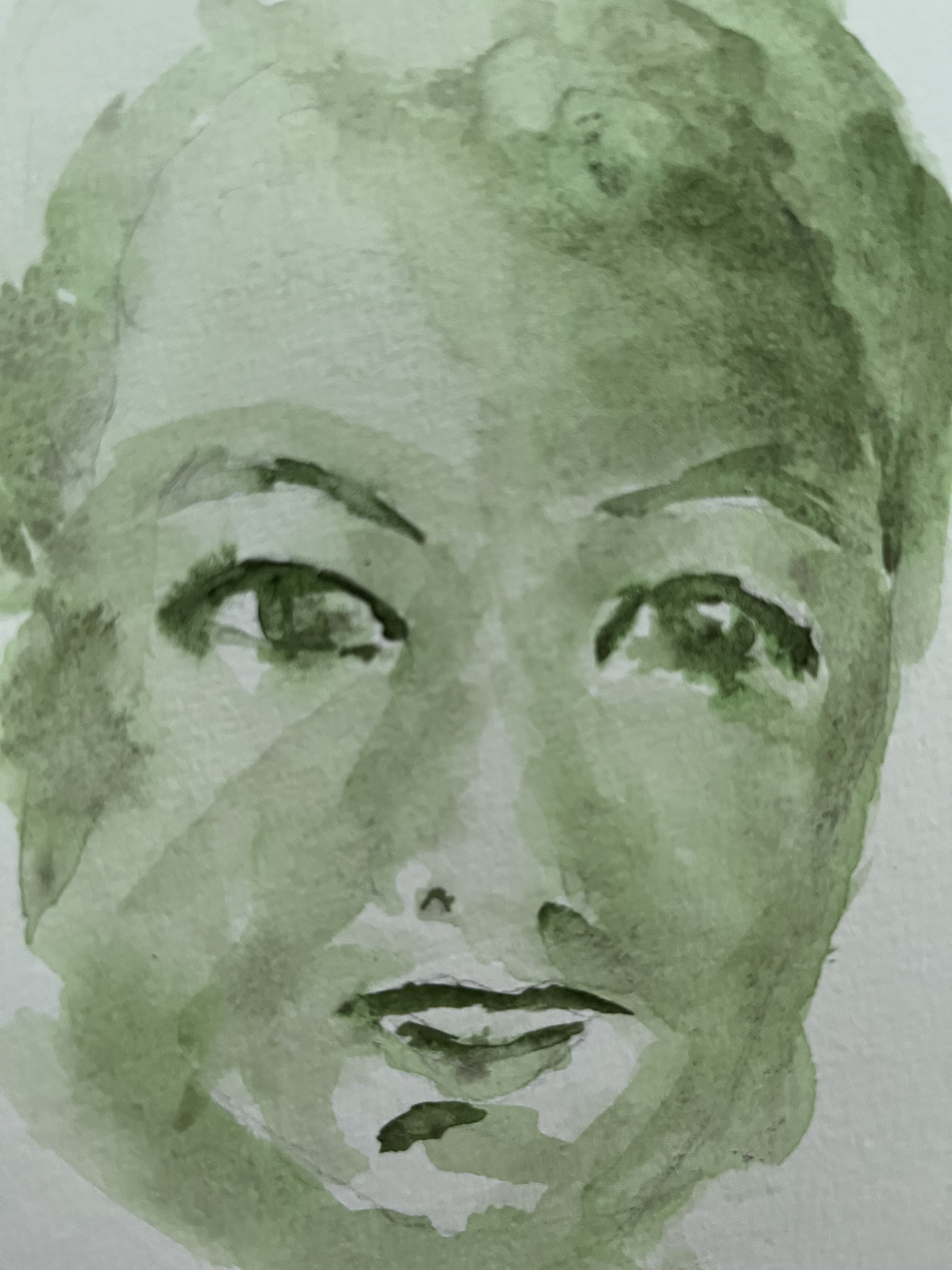
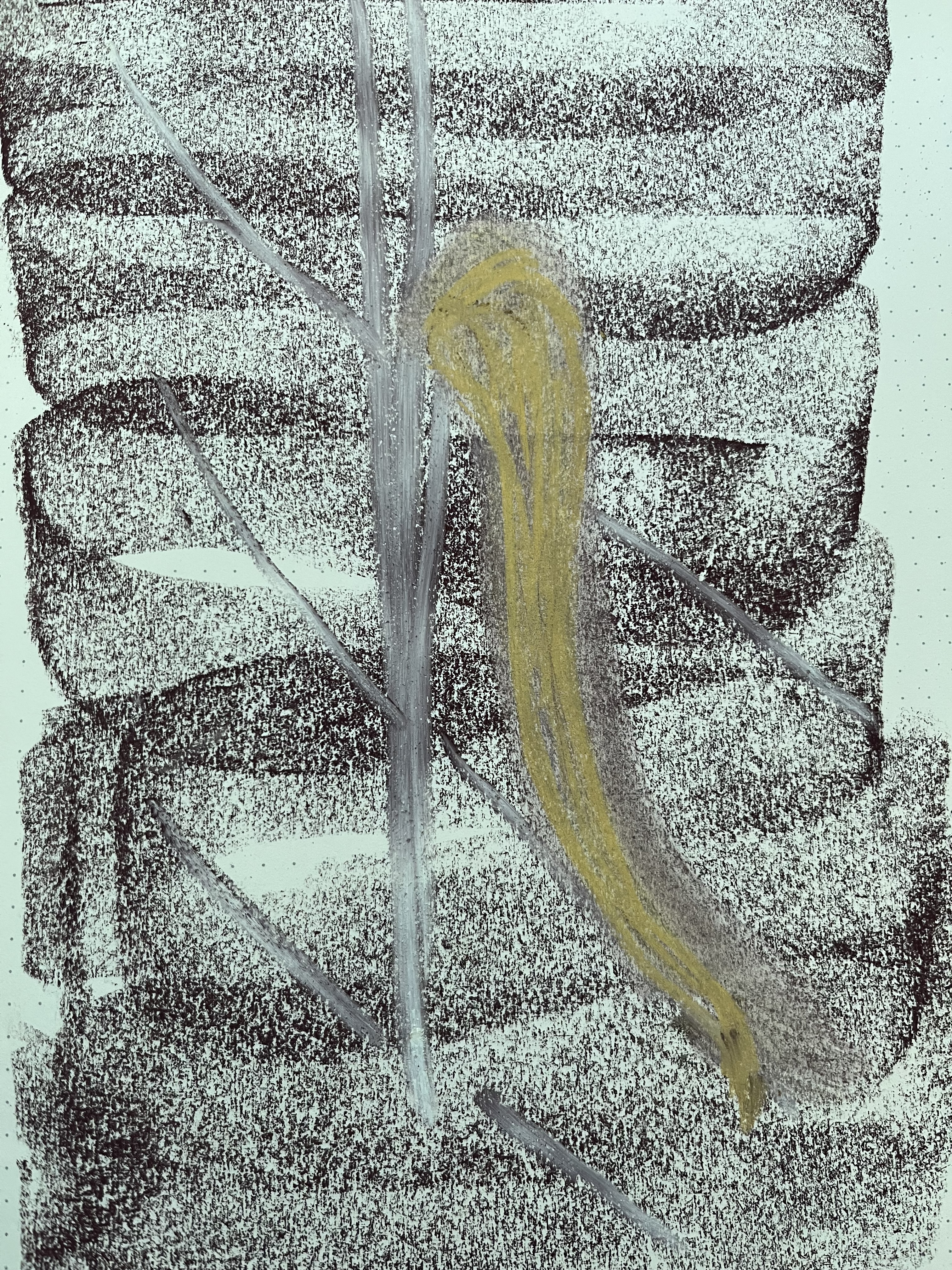
I think about this conversation as I draw without having a particular goal. I draw repetitions of shapes as a way of tuning in to what am I feeling, what am I thinking, and what is going on in my body and in my spirit today.

Breathe in, breathe out.

In today’s world where everyone seems to want to rush towards a goal or to achieve something or to become someone, being in the moment frees us of all those stresses. When we are free from those stresses of becoming something, we can listen to what our bodies tell us.

Small circles, gridlines, spirals, repetitive mark making and repetitive movements. All of these things are practices that ground us in the body and in the moment. And being grounded allows us to transcend to where we can see beyond the mundane.

I’m stopping here for today.

To you who reads this, thank you for dropping by. Blessings and peace.

Finally, an update…

It’s taken time for me to get around to updating this online journal. There was a season when I felt as if I was inside a time capsule, watching the world go by, observing, doing, moving in some direction but always within that capsule. I had my last treatment right before December and since that time the capsule enclosure has become quite porous. At times, it feels as if a wild and eager rush pushes outward from inside me–a wanting to do and to go and to undertake so many things.

My oncologist says: we don’t know. We can’t say or predict how things will turn out. But the chemo has done what it’s supposed to do, and for now I have been moved to the list of people who are under observation.

It took me a good number of minutes to process what my oncologist said. I keep going back to that moment and checking in with myself. There are still things in my body–a nodule and a lymph node are mentioned in the scan report–things that can’t be easily removed through surgery. And yet, my oncologist isn’t worried. All I can feel is relief that chemo has ended.

I think to myself: There are more people walking around with things in their bodies, living lives and just being and doing and staying in the now. The length of our life spans is not something we can control, so why worry about that?

If you can let go of worrying, my physiotherapist says, then it’s already a win.

Why worry about something I can’t control? I reply. This, I can control. I can train my body to be physically fit. I can work to become stronger. Instead of obsessing about weight, I make sure to eat a balanced diet. As for the rest, I leave it in the hands of God. (So very Pinoy. Yes.)

I’ve decided that I’m going to keep living and keep doing things that I love and things that give me joy. I’ve decided to hold on to faith and to this knowledge that we do what we can do in the time allotted to us and life is about living one day at a time.

It’s going to take some time to find a new balance and I am thankful that time is being made so that I can find that new balance. Where people talk about spoons, our physiotherapists talk about buckets. You only have so much energy in your bucket and some things will deplete your bucket quicker than other things. You can empty your bucket in one go, but recovery is better when your bucket isn’t completely empty at the end of the day. Brain work, thinking work, social interactions, new situations can empty your bucket faster than doing the laundry and vacuuming your house. You’ve been in a space of time where for a long while, you’ve had to do all you can to just get through it. Once you’re no longer in treatment, it’s tempting to succumb to demands we imagine are being placed on us. But, it’s okay to say: no, I cannot or no, I don’t have the energy for that. It’s okay to pick and choose and to say: I can only do one or two things in a day.

And then, my physiotherapist says with a laugh. Of course, it’s in pushing ourselves that we discover our limits. And once we find those limits, we know how far we can go. If we go about it the right way, those limits expand as time passes.

I think of how the state of being in a limbo is one that allows us to become rooted in the present. In this now. In this moment. Tomorrow will come. Tomorrow’s worries are for tomorrow. Today, I am doing what I can to the best of my ability. I am here in this moment and I am thankful.

I didn’t have the brain space to write about LIMBO, but our December celebration was lovely.

Blessings and peace to you who read and may 2025 bring good things your way. Maraming Salamat for stopping by.

A note for readers who might be going through cancer treatment: if it’s possible and doable, oncological physiotherapy is a big help. I am thankful for the person who posted about it on a forum somewhere because it’s not standard at the hospital I go to. I found out that it’s standard for some hospitals though.

Time

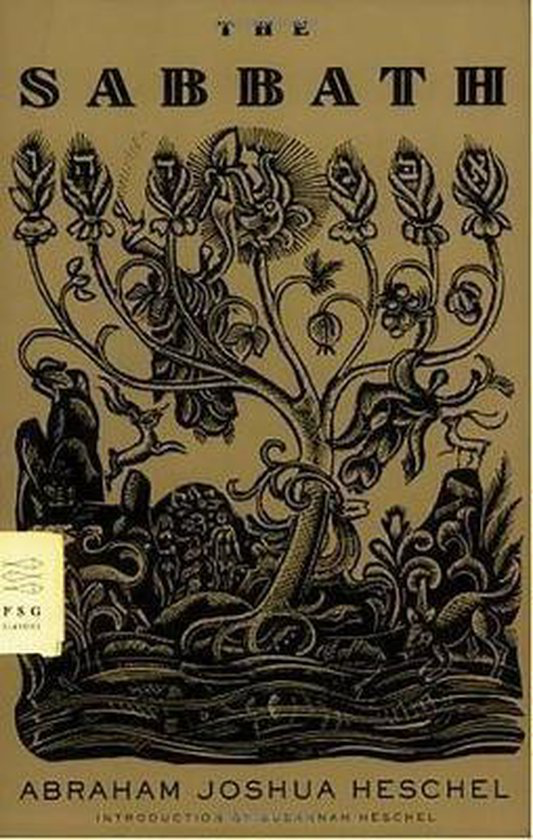
A dear friend recommended Abraham Joshua Heschel’s work to me and I’ve been reading out of The Sabbath and thinking about time. Heschel’s work is beautiful. It’s thought provoking–mysterious and deep and also accessible and relatable. More than that, it is moving.

I think of time as I prepare to go to the hospital for my second chemo infusion in what’s called a second line treatment. I think of time when the doctor tells me that we are buying time. I think of time and how each of us comes into this world not knowing just how much we have of it and how even when facing a disease like cancer, there is no way of measuring or saying–this is how much time or this is the only time you have got. Science can get us so far, but the measure of our time in this world is not something anyone can predict. I’m saying this because my mother was told she had one year to live when she was 46 years old and here we are…my mother will turn 87 this year.

And yes, it’s true that it’s possible to extrapolate based on data, but even data is no guarantee because there are always other factors that might come into play. The truth is, we all hope for more time, but the most important time we’re getting is now and as my mother always tells me: just live today.

I remember back in 2023, when they told me the cancer was not gone after all. Back then, the numbers were quite frightening and the feeling of precariousness was strong. Because of where the tumors were located, I was also in quite a bit of discomfort.

Today, where I had radiation, things are quiet. My doctor sent me on vacation with a smile on her face saying: you can go through the 10 weeks without medication and when you return we’ll start on treatment again. And in those 10 weeks, I walked a lot and climbed a lot and did muscle training and felt like I felt 10 years ago. I’m thankful for the muscle training now because chemo does a number on the body and the more fit you are physically, the better you are able to withstand treatment (that’s what I keep hearing). In the week when I get chemo, I don’t feel all too happy. I don’t know if I’m hungry or nauseous, I don’t know what to do about all the things I’m feeling. I don’t want to take the anti-nausea meds because of the headaches, but I also don’t want to be throwing up, so I take the nausea meds anyway because they do help me get through the week.

But the week passes. I wake up one morning and my stomach feels settled. I go out and take a walk. I go back to my physiotherapy class. I meet up with loved ones. I do things. And thankfully, this time, I can read and write.

I think of time and eternal time and time that is in the hands of the creator and I think of how it’s possible to see beyond now. To understand that there is a timeline running alongside the now that I see and that timeline stretches and branches into different directions and different possibilities and how we are limited only to the extent that we allow ourselves to be limited. There is enough time even when people tell us there is no time. There is time even when the data says there might not be enough time. There is time because time is not something that we can command or hold fast or measure or make secure. What happens in a second can be of infinite significance even if we don’t see it just yet.

A little while back, my brother asked me what my prognosis was. I really couldn’t say because my doctor couldn’t say. But the more I think on it, the more I wonder if it’s all that important. Even when I am writing a story, the outcome may not be in my control because I can only bring my characters to the end of a particular story but beyond that story possibilities branch out. The work of change is never done. It is constantly in motion and so what I can do is simply trust that all the small movements being done in the present will tell and count towards a future that’s better for those who come after this story is finished.

I am cradled in love and lifted by grace and always thankful for the hope that I see even when the world is chaotic and muddled and filled with so much chaos.

Agyamanac Unay for passing by. May you too be cradled and lifted in love.

thinking about language again

I’ve been writing in Dutch and this has me thinking about language again and how it relates to taking up space in the world (or making space) and how gatekeeping in language and use of language relates to the question around permissions. Why do we need borders when the world belongs to all of us? Why do we need permissions to cross from one place to another? And why do we as societies feel this need to create perimeters and conditions keeping people from traveling or moving into spaces we have labeled as “ours”?

I have a complex relationship with language. Perhaps this explains my fascination with it. I am also something of a geek and language and the conversations around language have also fascinated me.

Small as the Dutch publishing landscape may be (compared to the US or the UK), it’s still predominantly comprised of white native Dutch speakers. I made a decision to at least attempt to write and publish in Dutch because I believe it’s important to make space not just for my work, but for the work of those who like me were not born or raised in The Netherlands, but have come here from non-western countries.

In 2021, when Martijn Lindeboom and Vamba Sharif asked me to participate in De Komeet, a specfic anthology from diverse writers in NL released by a De Geus, I said an immediate yes. When the anthology was published, some people I know who read my story said that they were at first a bit hesitant because of the use of nb pronouns, but were quite surprised to find it wasn’t preachy as they feared (yay). It was also favourably reviewed in De Telegraaf which is a major Dutch newspaper (so Yay again). The comment I do get from people I know (who’ve read it) is how the reader can tell that I’m not a native Dutch speaker because of my use of language. Here’s where I admit that I did have an editor and first readers who tried to tell me to rewrite some sentences but the rhythm and the off-center use of language made me happy, so I kept them.

I can’t pass for a native Dutch speaker and to be honest, I don’t even want to. It’s the same as I don’t pass as a UK or US raised English speaker, and I don’t want to. The way I use language reflects how I have acquired the language, it reflects the rhythms by which I have learned to speak it or write it. It may seem like a minor thing, but there is a deliberate reasoning behind this. I understand the importance of the rules of language–grammar and such. But as one reader said to me: the use of language in an alien setting by alien characters, reminded me that my characters are aliens and the emotion came across because of the way “the language was used in a way I am not used to”. (That kind of made me go: yep. That was the intention.) (Of course, I have no doubt there were readers who were just irritated and went “another outsider who wants to write in Dutch”. Lol.)

There are different ways of using language and by opening ourselves to these differences, we expand our borders and our perimeters.

Mind you, I’m not advocating for using wrong grammar. I am advocating for knowing and having a grasp of language and at the same time remaining faithful to the rhythm that echoes in your inner ear. (I did adapt a lot of suggested edits because I am aware that while I may be proficient in Dutch, I tend to be more English in my grammar use. But there were definitely one or two sentences where I just said to the editors–this just feels right to me. It conveys an emotion that I want to convey.) So, I am perfectly okay when faced with the criticism that the language use isn’t perfectly Dutch or Dutch as it’s meant to be. It is not meant to perfect, it’s not meant to conform. (Sorry not sorry for being a rebel.)

When we engage in writing in LIMBO, I like to encourage participants to write in the language they are most comfortable in. Perhaps a majority will opt to write in English, but I have discovered that when someone chooses to write in the language closest to them, while we may not understand the words, we are often able to hear the movement of the writer’s heart in the movement of the language they use.

It’s this kind of rhythm and this kind of movement that we want to capture when we decide to write in an acquired language. Maybe it’s not perfect. Maybe the grammer is not 100%. But all these things are cosmetic. They can be fixed in edits, they can be discussed.

We are a multicultural society and when traveling through the city, I hear a rich tapestry of sounds and voices–different languages, different accents, different ways of using language. Dutch interspersed with Middle Eastern languages, Filipino mingled with Dutch and interestingly too–Dutchies who bend Dutch words to make them sound somewhat like English. Language, like society, like culture, doesn’t remain static. It’s never standing still and every year new words are added to our ever-changing vocabulary–not all these words are rooted in the Dutch language.

Yep. I can keep going about language. But I’ll stop here as I have a bunch of things on my to-do list. I am interested in comparing notes though. How do you write in an acquired language and how does the language you’re most skilled at using influence the way you write in another language? And if you’re writing in an acquired language, what made you decide to write in it?

Blessings and peace to you who read this and Agyamanac Unay for dropping by.

thinking about the project of creating connections

In preparing for the final meeting in the workshop series, I find myself thinking around language, colonisation and alienation. A number of exercises in this final meeting are inspired by this clip where Ngugi wa Thiong’o talks about colonisation and alienation.

As I listen to Ngugi talk and as I reflect on ways to bring this to the workshop participants, I can’t help but reflect on how the project of alienation continues on to this day. I think of how conversations these days can quickly become angry or hurtful ones and how essential it is to create space where we can just be and become bridges to our own selves and to our own power and how important it is to create moments where we create true and deep connections with one another.

In discussing the format of the sessions with Hodan, we felt that an important part of workshop practice was to remind participants that the act of sharing, of opening up or of voicing out what you think or what you genuinely feel means we are taking a risk. We remind participants of how vulnerable we all are and how we need to shape the kind of space that we want to be in with each other and so, we try to create a space where there is mutual respect and kindness of each other’s differences.

Edouard Glissant’s work and Ngugi wa Thiong’o’s work have been important to me in preparing and developing this workshop and so it made me really happy to witness how an application of certain thoughts works out in real space.

Thus far, the workshop has been bilingual, but I would love to encourage participants to tap into other languages that they carry with them. It would be so great if that could happen, but if it doesn’t perhaps it’s something to think about more for the next iteration of this workshop.

For my next project, I am thinking of how this kind of workshop can be used to create dialogues that can transform our connection with one another. I’m discovering that I rather enjoy the challenge and this practice of life, art and activism give me joy.

Be the bridge to your own power and may you embrace joy in the work that you do.

Images from Day One

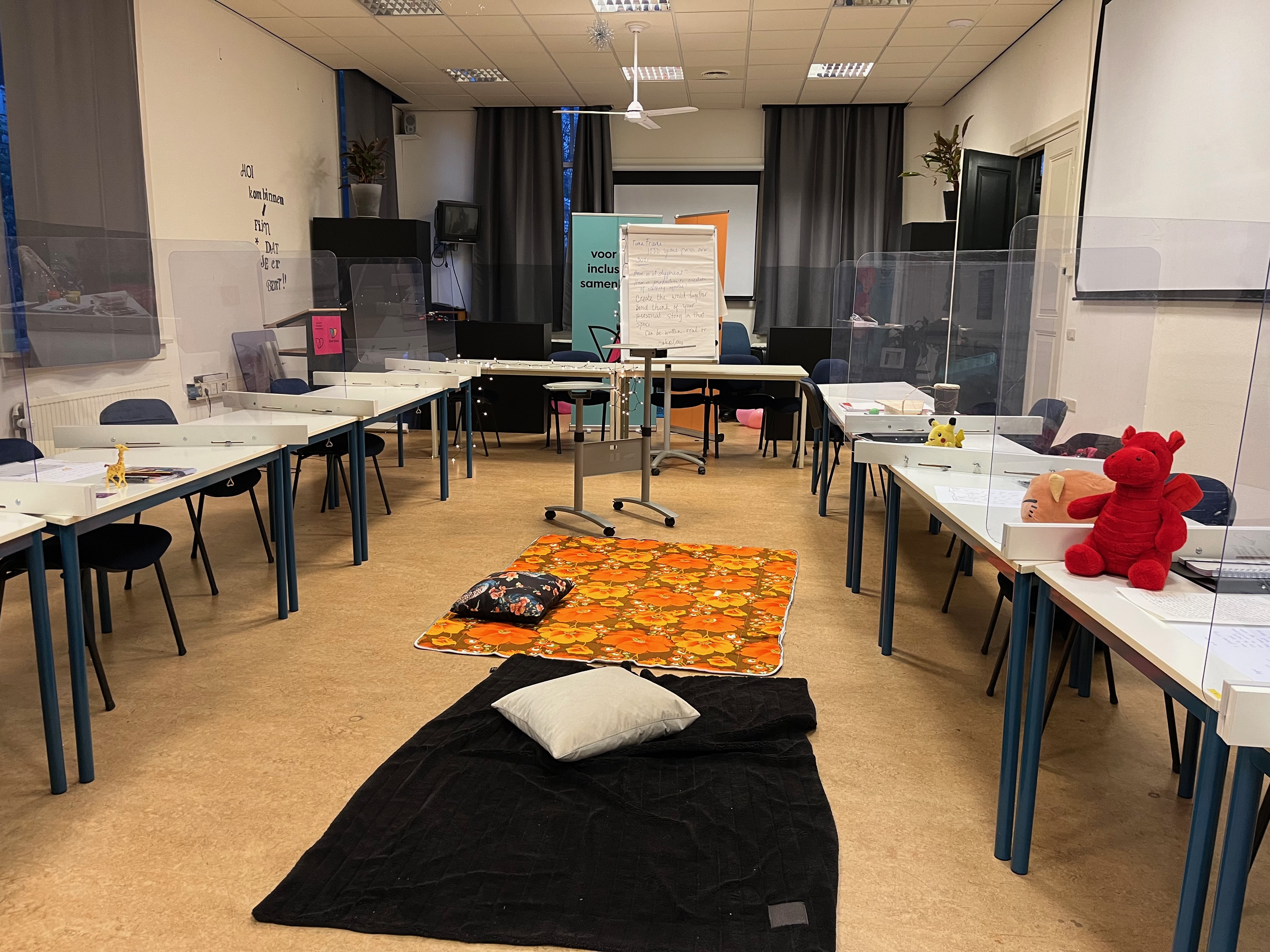
Day one of the workshop series was everything I hoped and imagined it would be with wonderful and rich sharings coming from workshop participants, some of who were discovering the joy of story creation for the first time. Sharing some images from the day here as I feel that images sometimes say more than words alone can do.

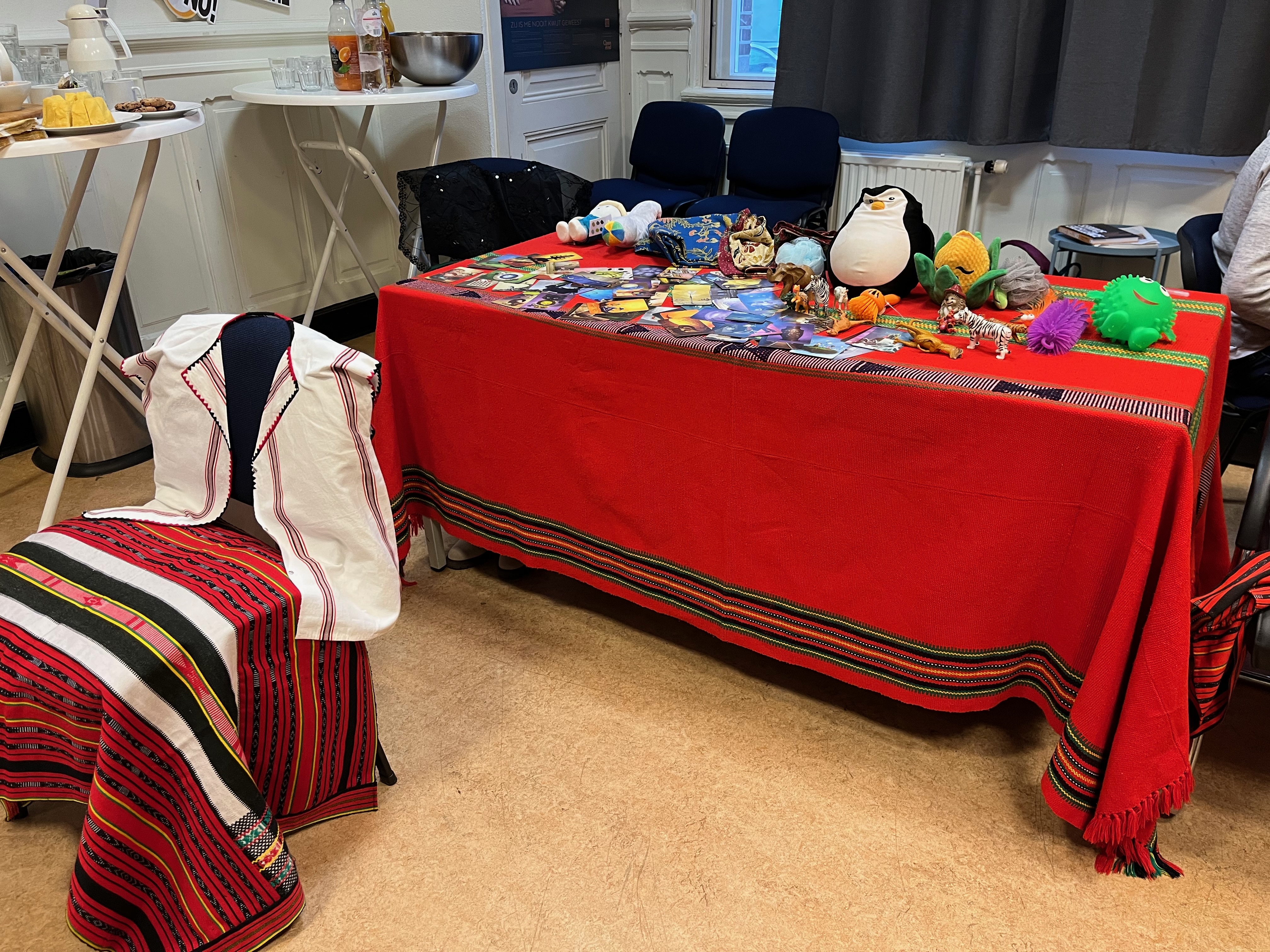
When the participants come in, they see this colourful display with toys and cards from which they can pick something that they feel represents or feels like their self.

This was the room at the end of the day. Some of the participants left their chosen objects by their places as we are coming back tomorrow.

Sharings from the opening exercise. I’ve discovered that this is a really fun vehicle for participants to engage immediately with story and it also becomes an organic springboard into talking about vulnerability, respect and the creation of space for each other to just be.

We ended the day with a communal session where participants worked together to think about a particular subject and then made a decision on how to share about their discussion. One group decided to present a dramatic role-play while another shared beautiful stories created on the spot. I was so blown away by the sharings and the presentations that for a while I was quite speechless having forgotten what it was that I’d planned to say. All I could do was express my thanks for the beautiful sharings that took place. Thankfully, my lovely partner was there to remind me that I had intended to talk about assignments. 😆

Tomorrow marks the second day of the workshop. It’s going to be another intense day. We’ll be missing a couple of participants as they go to church on Sundays, but we will be having participants coming in who could not attend today. As I go through my preparations for tomorrow, I’m taking this into consideration and thinking of how to tweak exercises retaining continuity and warmth while adding in new and deepening exercises.

In creating a community workshop, I’ve realised that we have to let go of this rigidity of thinking that participants must be present everyday. Rather, I’ve decided to shape each day in such a way that they can stand alone and if participants miss a day or come in later, they will still find something to take with them that will be useful.

Many of us carry stories inside us and it’s by creating spaces where we share stories with each other that deep and meaningful connections can be made. Being able to create such a space for people of color is a dream I’ve cherished. Seeing it happen is joy.

To you who dream: share your dream, speak about it, believe it will become real.

The writing sessions

I have been trying to keep a log of my daily activities and progress as I now have to allot separate times for different projects. A couple of months ago, I accidentally launched the munabol writing sessions with BIPOC youngsters (ages 14-25). The first group, which I called the ground zero group is made up of two youngsters based in NL and two based in the Philippines. We’ve recently expanded to add on three new members and soon we’ll be launching a kids group (ages 10-13).

Ground zero had a ten week trajectory and I’m putting together a small booklet which reports on their progress and includes work produced by the first four in those weeks. For the expanded sessions, we’ll be working on new stories and working from a programme I’m developing. I’ve been gathering together some of the pieces that I want to use as part of the first exercise session and am feeling quite excited about it.

I think about how seeing can start from such a simple thing as looking out onto the street outside your window and simply documenting what you see to something more complex like looking at a photograph of a scene in a museum and asking participants to write down what they see.

The idea behind this practice was born from another project I’m working on where the ask was to incorporate museum objects into the practice. I thought about the museum itself which is a colonial space and I thought about the objects in it. My thinking was that if we are able to see beyond the object and beyond the space, we might be able to find the space where we can move forward in conversations around certain museum pieces. This is something I’m still thinking on, but for the munabol sessions, I want to encourage young practitioners to open the inner eye which is so essential to creative artists. To see, to look, and to recognize that there is often something more to what you see than what appears on the surface.

When I was a child, someone once told me that to be an artist means that you see beyond the leaf. It took me a while to realise it, but I think that was the point where I decided I would embrace writing and become that kind of artist with the use of my pen.

In any case, it’s this kind of seeing that I want to share with the youngsters and as I said to the ground zero group, we may all be looking out at the same scene or on the same view, but we won’t all notice or see the same things because each of us looks at the world differently. I am eager to discover those different angles in the different works offered tomorrow.

Working with youngsters and kids is inspiring and the writing sessions give me energy to keep on writing, to keep on creating, to keep on pushing for projects that will encourage people to dream, to imagine, to make their playful and creative selves visible in the world.

a fun update

I’m in the throes of writing again. I don’t think I’ve ever really stopped. I might have taken pauses in between, but as one great writer said to me: even when you’re not at your desk, you’re never not writing. I think this is true, because sometimes my work follows me into the dream world and I wake up trying to grab hold of words and images before they get chased away by the busy round that comes with being the mom of a high school kid and one college aged young man.

I am feeling joyful about my boys these days. I mean, there was a time when I wondered if we would ever be all right again and here we are–it’s 2021. We went through a pandemic and my boys are noisy and cheerful and active when we get together. I suppose it’s to be expected. I have one ADHD child and one ADD child on the spectrum, but together they can get pretty rambunctious. Add one ADHD mom into the mix, and well…you can imagine what dinnertime can be like. Anyway, both of my sons are inveterate gamers (when not studying) and I find myself turning into the pestering parent who tells her sons to: ‘please read this book I lent you, it’s really good.’

One of my conversation staples is: ‘did you read the book I lent you?’

If they tell me they’ve read a few chapters, that makes me happy.

Recently, I started leading a writing workshop for youngsters 14-21 years old. It was one of those accidental moments where you propose a thing, one thing leads to another and before you know it, you’re on discord doing voice chat workshops. I sort of dragged my boys into participating and it’s turning out to be a really fun ride. I’ve been given permission to share eldest son’s piece from one of the exercises we did which was set in a shared world setting where humans and nonhumans are experiencing the effects of being exposed to toxic waste.

The Assignment: Write a short piece from the perspective of an animal in this world that’s been affected by toxic waste

Boss! Boss nice! Nice boss. I like boss.

“Go on, fetch boy.”

Toy fly! Wow wow wow! Catch toy. Catch toy!

“Git it boy! Git it!”

Toy land. Get toy get toy.

Smell. Smell? Weird smell. Must get smell.

Weird thing. Taste thing? Weird taste. Not nice.

“Where you at, boy?”

Not nice. Angry. Hungry.

“What’s wrong, boy?”

Not angry. Wait. Angry. Very angry. Not happy. Must eat food.

“Where you goin’, boy?”

Need eat, must eat. Where food?

Field has food. Eat food.

“Stop boy! Farmer Johnson’ll put you down if you dig up his crops!”

Stop drag. Boss. Need food. Boss stop. Bite boss.

“Augh! What the hell, boy!”

Boss angry, not happy. Boss not nice. Bite boss more.

“HEY! HEY! Stop that BOY!”

Hungry. Must bite. Crop food? Food? Crop. . . Boss?

-published with permission, J.J. Loenen, 2021-

a very delayed update on Envisioning Other Futures

When I updated this blog in June 2020, I was fairly sure I would have lots of time to come back and update more regularly. But here I am, one day short of June, one year later. It’s odd to look back at that last entry and wonder if time stood still.

We held a culminating activity for the Envisioning Other Futures workshop sometime in March of this year. For many of us who were part of the workshop, it was the first time we were meeting anyone in person since the lockdown kicked in. It was a rather curious and surreal feeling. Festive, true. But also surreal.

It was lovely to see the workshop participants again and to be able to see a physical compilation of the work they’d done through the workshop. For the interested, an online copy of the book is available through this The Other Futures link.

The collection is bilingual with work written in English and work written in Dutch. Considering how some of these writers had not written any fiction (let alone science fiction) before, I’m quite pleased with the work we included in this collection. I want to mention the tireless efforts of Brigitte van der Sande who made the workshop possible through Stichting Mouflon and The Other Futures Festival. Brigitte is a powerhouse, an inspiring person and someone who’s encouraged me to move forward in the work that I do. I can’t begin to thank her for her untiring effort as well as the way in which she kept nudging me gently forward.

Here’s the cover for the print and online version. You can also find the book by clicking on the image.

Personal post: my son’s investment

After Jan’s passing, eldest son gifted me with a set of weights and an exercise mat. I’d been contemplating a gym subscription but I just couldn’t seem to take that first step. So, when eldest son asked me what was on my birthday wishlist, I thought I’d ask for stuff for exercising at home. I thought: a mat would do or a pair of dumbbells. I remember expressly pointing out some things that I thought were student-level price. (He was also saving up for his own computer, so I didn’t want him to spend a lot.)

I was rather flabbergasted when the packages arrived. Apparently, he’d done some research and opted for his own (more expensive) choices instead of what I had pointed out to him.

In the first year, I shed a couple of pounds and started to feel stronger. When I flexed my arm, I could feel something that felt like muscle. So I took the plunge and signed up at our local gym. My goal: more muscle definition please and make me stronger.

In times when I’ve wrestled with anxiety, I’ve found that a good workout tends to keep the worst of it bay. I’m able to clear my mind for a while as I focus on just making it through a set number of reps and sets.

Today, I thought back to that time after he got his first job at a local supermarket. I think of the late nights and long hours that he pulled and how that was the year he told me that he didn’t need pocket money anymore. I remember how flabbergasted I was when I realised just how much he’d spent on my birthday present and I remember him saying that I should think of it as him investing in me.

The returns on Joel’s investment have come in as we now use that set each time we workout during the week. It’s fun, it gives some sort of structure to days where hours seem to blend into each other, and I guess I’m vain enough to be pleased that the muscle I’ve gained won’t fade during the lockdown.

26087BA4-1CA5-4D18-A9FC-7C2E62832B21_1_201_a

( The 3 kilo dumbbells are a recent addition, and these shoes have been with me since I started working out 5 years ago. I have a 5 kilo disk on my birthday wishlist. I’ve read that weight training is important for women as we grow older as it helps maintain bone density and keeps our joints supple. What I can say is this: five years ago, I couldn’t run up and down the stairs, these days I can.)